Community Food in East Dunbartonshire
Resources for Growing a Food Community
In Spring 2026, thanks to some funding from NHS Greater Glasgow & Clyde, we were able to provide some grants to organisations delivering community food projects in East Dunbartonshire. We’re pleased to say that we can now offer some further funding in the form of micro grants; grants of up to £300 to support the delivery of community food projects.
This fund is for Third Sector organisations operating in East Dunbartonshire and is to be used to enable projects to facilitate, develop or focus on delivering a project involving healthy food. This includes gardening & growing projects as well other projects which encourage & support healthy eating.
The aims of the fund are to:
Promote better accessibility and affordability of food
Promote good nutrition encouraging healthier eating habits and cooking skills
Celebrate food, particularly in relation to food culture and diversity
Enhance community spaces for cooking, eating and growing
This funding is for organisations who meet at least one of the following criteria:
are delivering services in SIMD 1 or 2 areas
supporting people who have a Long Term Health Condition or are at risk of developing a Long Term Health Condition
supporting children, young people and families.
The Fund will be open until all of the funds have been allocated.
To apply please use the link below.
If you are unable to use the online application form you can request a Word version or a hard copy of the form, you can get this by contacting EDVA on 0141 578 6680 or by emailing info@edva.org
Community Food Fund - Micro Grants Now Open
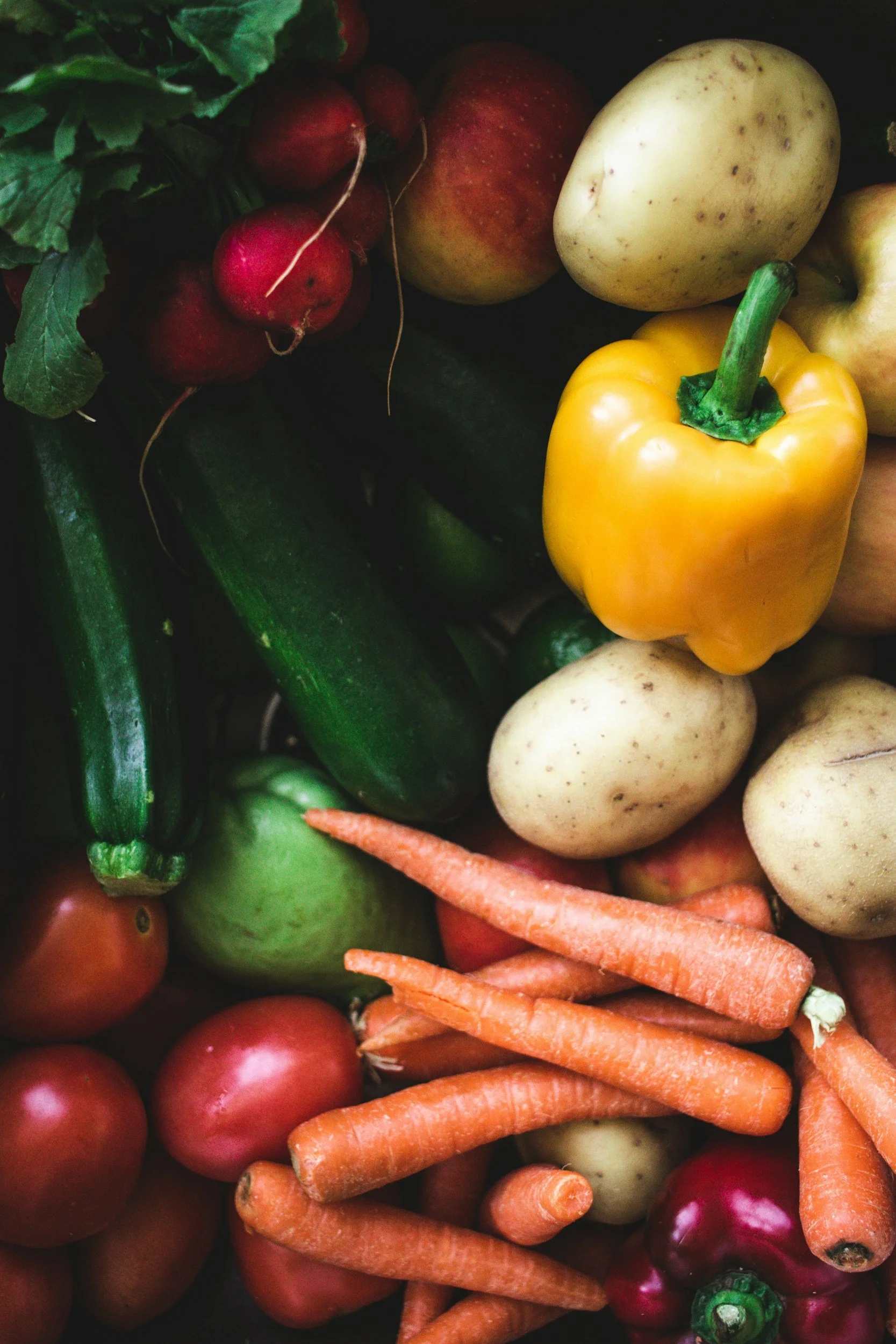
Food isn't just about providing fuel for our bodies, it has the power to connect people. From planting and growing in a community garden to learning new skills at a community cooking class, there are countless possibilities in using food to bring people together.
Community food work is about improving access to healthy and sustainable food within a community and aims to address: food insecurity, promote food justice, support sustainable food systems, build community resilience, educate & empower and advocate for policy change.
Growing a Food Community in East Dunbartonshire is a collaboration between Greater Glasgow & Clyde NHS, East Dunbartonshire Health & Social Care Partnership, East Dunbartonshire Council and East Dunbartonshire Voluntary Action along with local community groups and charities, which aims to support and develop local community food projects.
Good Food Nation
The national Good Food Nation Plan sets out six over-arching Outcomes for making Scotland a Good Food Nation
The Good Food Nation Outcomes
Outcome 1: Everyone in Scotland eats well with reliable access to safe, nutritious, affordable, sustainable, and age and culturally appropriate food.
Outcome 2: Scotland’s food system is sustainable and contributes to a flourishing natural environment. It supports our net zero ambitions, and plays an important role in maintaining and improving animal welfare and in restoring and regenerating biodiversity.
Outcome 3: Scotland’s food system encourages a physically and mentally healthy population, leading to a reduction in diet-related conditions.
Outcome 4: Our food and drink sector is prosperous, diverse, innovative, and vital to national and local economic and social wellbeing. It is key to making Scotland food secure and food resilient, and creates and sustains jobs and businesses underpinned by fair work standards.
Outcome 5: Scotland has a thriving food culture with a population who are interested in and educated about good and sustainable food.
Outcome 6: Scotland has a global reputation for high-quality food that we want to continue to grow. Decisions we make in Scotland contribute positively to local and global food systems transformation. We share and learn from best practice internationally.
The Good Food Nation (Scotland) Act 2022 provides the legislative framework that enables Scotland to take steps towards realising its vision.
The Act underpins in law the work that is already being done across the Scottish Government to make Scotland a Good Food Nation. It is the foundation upon which Scotland will build our Good Food Nation.
The Act places duties on Scottish Ministers, local authorities and health boards to produce Good Food Nation Plans. These Plans will set out the main outcomes to be achieved in relation to food-related issues, the policies needed to do this and the measures that will be used to assess progress.
These Plans will deliver outcomes which support, amongst other things:
our nation’s social and economic wellbeing
the environment
people’s health and physical and mental wellbeing
economic development
animal welfare
education
child poverty